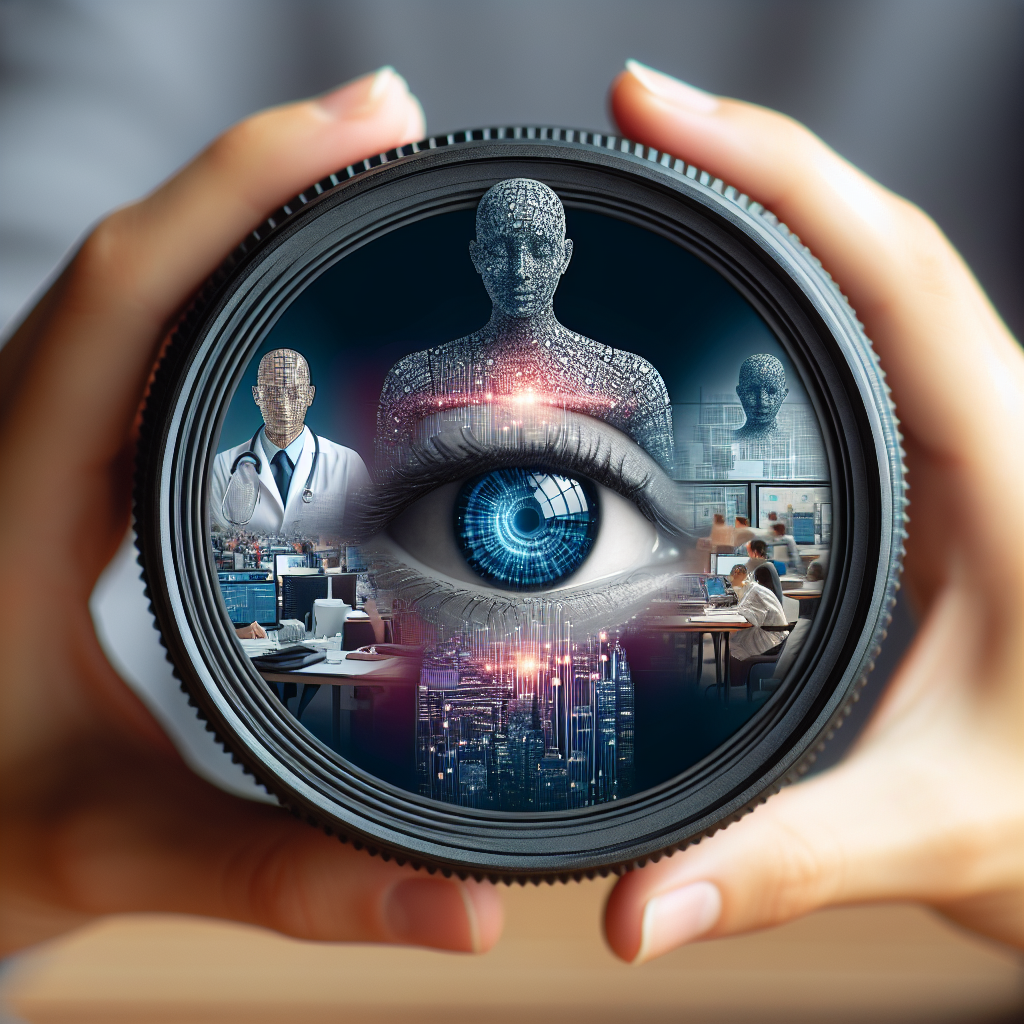
Artificial Intelligence (AI) is rapidly transforming various industries, including education, healthcare, and the workplace. While AI has the potential to improve efficiency, accuracy, and innovation in these areas, it also raises important ethical considerations that must be addressed.
Education
In education, AI can personalize learning experiences for students, provide real-time feedback, and automate administrative tasks. However, there are concerns about data privacy and security when using AI in educational settings. Schools must ensure that student data is protected and used responsibly.
Another ethical consideration in using AI in education is the potential impact on jobs. As AI technology advances, there is a fear that it may replace teachers or other educational professionals. It is important to find a balance between using AI to enhance learning outcomes and preserving human interaction in the education system.
Healthcare
In healthcare, AI has the potential to revolutionize patient care through predictive analytics, personalized treatment plans, and medical imaging analysis. However, there are ethical concerns around data privacy, bias in algorithms, and accountability for medical decisions made by AI systems.
Another important consideration is the impact of AI on healthcare jobs. While AI can improve efficiency and accuracy in diagnosis and treatment, it may also lead to job displacement for healthcare workers. It is crucial to retrain and upskill healthcare professionals to work alongside AI technologies effectively.
The Workplace
In the workplace, AI can streamline recruitment processes, automate routine tasks, and enhance decision-making processes. However, there are ethical implications related to job displacement due to automation. Organizations must consider how to support employees who may be affected by these changes.
Another concern is bias in AI algorithms used for hiring or performance evaluations. If not properly monitored and regulated, these algorithms can perpetuate existing inequalities or discrimination based on gender or race. Organizations must ensure transparency and fairness in their use of AI technologies.
Conclusion
As we continue to integrate AI into various aspects of society, it is essential to consider the ethical implications of its use in education, healthcare, and the workplace. By addressing issues such as data privacy, job displacement, bias in algorithms, and accountability for decisions made by AI systems, we can harness the benefits of this technology while minimizing potential harms.
Ultimately, a thoughtful approach that prioritizes human well-being and values such as transparency and fairness will be key to ensuring that AI enhances our lives rather than detracts from them.
